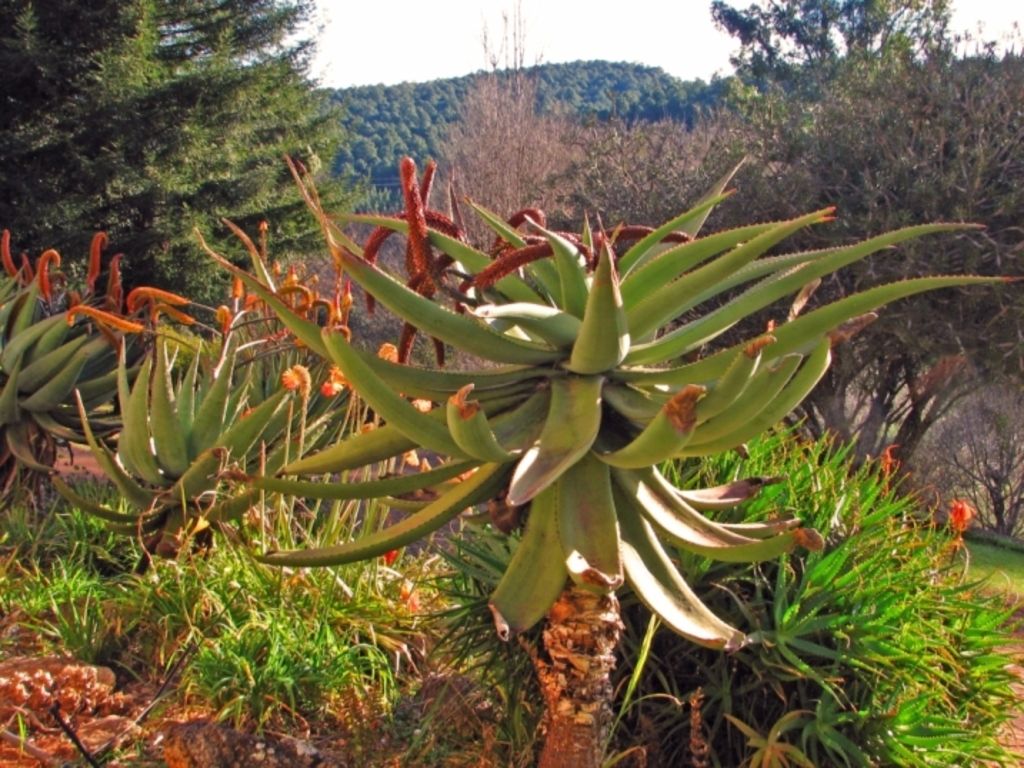
Gardens in high, dry places face a tough mix: strong summer sun, cold winters, drying winds and very little rain. A thirsty lawn and fussy flowerbeds can take a lot of water and work to keep alive. A water-wise garden flips that around. It is designed to look good with far less watering, and it often attracts more birds and bees too.
Group plants by thirst
The simplest change you can make is to put plants with similar water needs together. Keep thirstier plants close to the house where they are easy to reach, and place tough, drought-tolerant plants further out. This lets you water each zone only as much as it needs.
Choose plants that love dry ground
Look for plants that are naturally suited to sun and dry soil:
- Succulents and agaves for bold shapes and year-round structure.
- Ornamental grasses that move in the wind and glow in late light.
- Lavender, sage and yarrow for colour, scent and happy pollinators.
- Native shrubs that are already used to local weather.
Shrink the lawn, not the welcome
You do not have to remove all your grass. Keep a smaller lawn where children play or you relax, and replace the rest with gravel paths, stone, mulched beds or a small patio. The garden still feels green and inviting, but uses much less water.
Water smarter
Drip lines and soaker hoses send water straight to the roots instead of into the air. Water early in the morning, deeply and less often, so roots grow down where the soil stays cooler. A thick layer of mulch keeps moisture in and weeds down.
Plan it once, enjoy it for years
A well-planned water-wise garden is easier to look after season after season. If you would like help with layout, paths or planting, our exterior and garden team can design a space that suits your home and your climate.